ABOUT
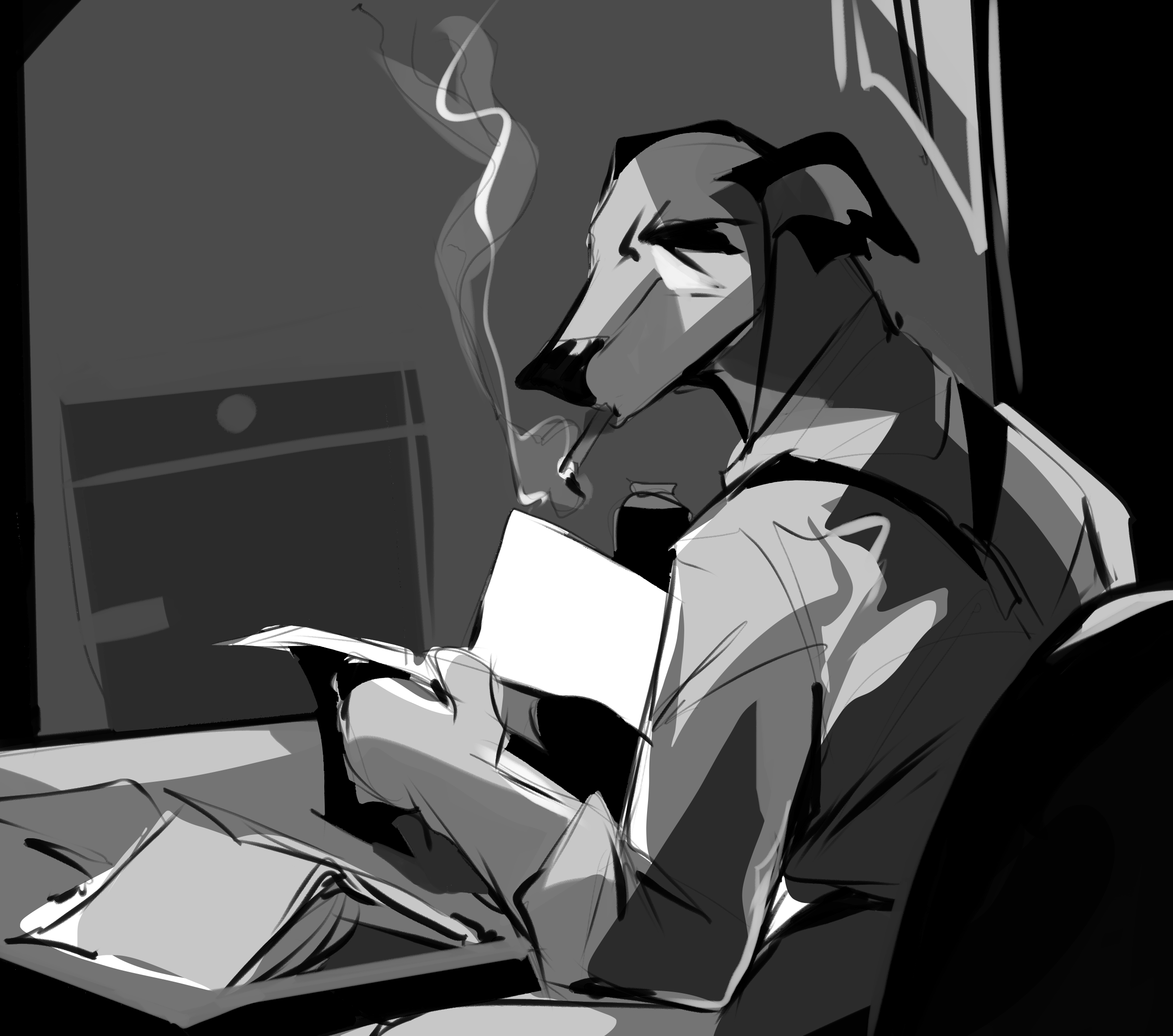
This is a page dedicated to explaining some of the historical details that show up in Midnight Wink. Of course, it can be enjoyed without it, but the biggest joy I got out of writing this comic was researching and I wanted to share that joy! The Great Depression reflects a lot of struggles we're going through now and I want to contribute to the education about a decade that is largely overlooked.
SPECIAL MENTIONS
It's not easy finding sources about the Great Depression that exclusively talk about Canada and I want to point out two books that especially helped me grasp the culture and history during the decade. I also want to thank my friends who have directly supported me in the creation of Midnight Wink either by teaching me or giving general encouragement. Midnight Wink has been my first experience researching something so in depth and I would have struggled a lot more if it wasn't for the direct help I received.
The Great Depression by Pierre Berton blends anecdotes, opinions, and history in a way that felt easy to understand and more importantly, human. He does a wonderful job at abolishing myths, giving context, and handling hard topics with a format that takes you through the Depression year by year. If you are starting from having zero understanding of Canada's perspective during the 1930s and you feel overwhelmed trying to dip your toes in history, this is a must read. The author's own interests and commentary is really what makes this book so special. He also briefly covers many topics instead of focusing on just politics in a direct effort to give you the fullest picture he can about the decade.
Ten lost Years by Barry Broadfoot was another must have for me while writing Midnight Wink. It's a straightforward collection of verbal anecdotes from people who survived the Depression collected by the author himself as he traveled by train across Canada. There's humor, tragedy, and a down to earth feeling that sticks with me every time I crack it open. Midnight Wink is centered around conversation over trauma and I cannot emphasize enough how much this book guided me in that. There's no replacement for hearing human experiences first hand when you're creating characters from nothing and I found this book to be such an emotional experience. I laughed and teared up a lot jumping from the recounted experiences of professional swindlers, to widows, to lumberjacks, to bank tellers and professors.
CHAPTER ONE
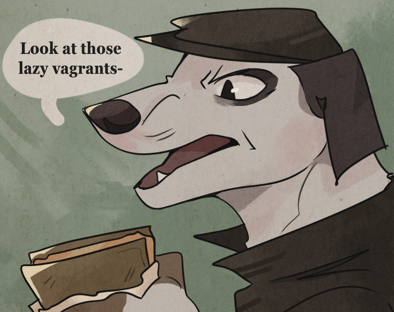
General Political Discussion
In chapter one there is a few conversations that may feel (grossly) familiar to modern discussions of the homeless, communism, and immigration. It's a big reason why I felt so hooked when I started reading about this forgotten decade we call the Dirty Thirties. It's relatable in a painful way, like a knife twisted into your gut.
It's hard to think of what to write for a topic so broad but mostly what I wanted to emphasis when writing Midnight Wink are the repeated themes I noticed with passing off the blame for economic disaster to immigrants and a deep fear of anything related to communism. There isn't even a difference between how the news cycle behaves today compared to the 1930s with an emphasis on eye catching headlines and fast news in order to sell more newspapers.
For the purposes of chapter one, I wanted to introduce how the common person might discuss and view the current state of the country. While it's antagonistic in this chapter, later ones show opinions that fall on the opposite side of the fence where blame for the countries unnecessary suffering is rightly pushed unto politicians being ineffective at providing government assistance. It's a shame I can't touch on the Regina Riot in Midnight Wink but it deserves a strong mention here at least if you want to research a bit of Canadian history on your own.
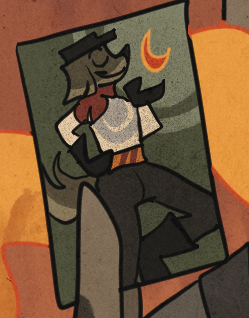
Cigarette Cards
What Thomas is holding up here is a collectable card you could acquire when purchasing your cigarettes. They could have anything from flowers to architecture to models. Thomas is particularly obsessed with collecting them and it is a minor detail that will come up a few times. For someone with no money to his name, it's probably the most accessible thing he can collect aside from stamps or newspapers.
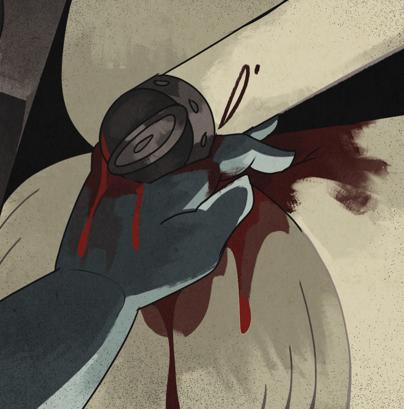
Being A Factory Worker Before OSHA
Jim's death is inspired by real factory accidents that occurred in the 1930s, and it isn't even exaggerated for the sake of the comic! If a spool of paper got stuck or misaligned, someone would usually reach their hand in to fix it. Often in fact, this job was left to children who had smaller hands. Obviously the machine falling over is what actually kills Jim but there were a lot of options if he was to be based off a real tragedy word for word. The machine falling apart is because it wasn't properly maintained or inspected. I never plan on showing the papermill owner, but his villainy is largely inspired by coal mine owners. Why would he spend the money to keep the roller in good shape? Especially when the Depression is a good excuse not to.
There is so much to say about how far and few in-between worker rights were in general, especially so in Canada (they were behind America in successful unionization). It is heartbreaking how easy companies could take advantage of desperate workers who were doing everything they could to survive. Something that added to the need to grit through it was the fact that the nation, and it's provinces, were not doing a great job at social assistance. A job could mean the difference between starvation and getting by.
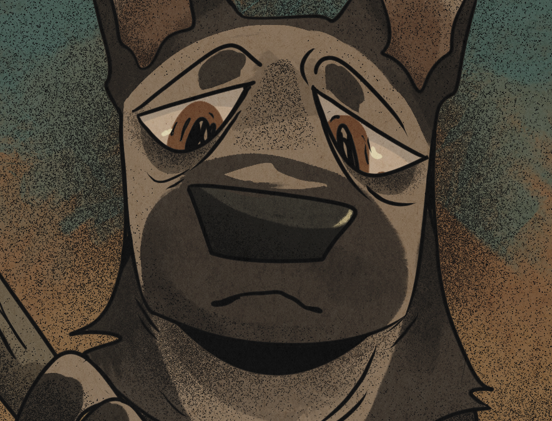
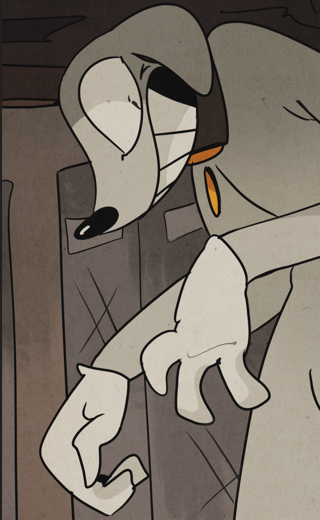
In one of the panels I wanted to show how tired Thomas was from being in the middle of an inhumanely long shift for a brief moment. In many cases, factory owners would subject their workers to 12+ hour shifts for a full 7 days. Thomas's long career at the paper mill is treated as serious trauma and will be coming up a lot in later chapters. Aside from safety regulations, there is a lot in common with how a regular job is today to how it was in the past. A lot of effort for not enough money to cover rent or food. Companies taking advantage of your desperation. Survival pushing you to your mental and physical limits and then some. Your body and mind permanently damaged by the wear and tear. This is directly why Thomas's inner monster takes the visual form of the factory mascot.
CHAPTER TWO
COMING SOON